
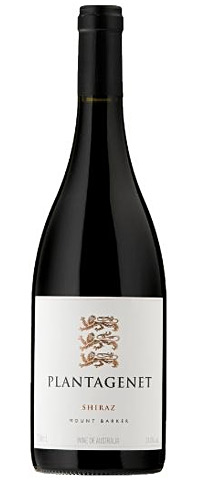
Plantagenet Lancaster Mount Barker Shiraz is a richly textured and yet elegant cool climate Shiraz, showing fragrant layers of red berry compote, hints of violet, dark chocolate and savoury spice with a firm and structured finish.
This wine is dark, brooding and intense with well-integrated, dusty tannins. The palate is powerful and structured, with a warmer Great Southern vintage lending dark cherry, black fruits and clove. It will develop
impressively over time
The Plantagenet range of wines is named in honour of a family, branch, or region from the Plantagenet Royal House, which ruled England and France from the 12th to 15th century.
The Angevins were a royal house in the 12th and early 13th centuries; its monarchs were Henry II, Richard I and John. In the ten years from 1144, two successive Counts of Anjou, Geoffrey and his son, the future Henry II, won control of a vast assemblage of lands in western Europe that would retrospectively be referred to as the Angevin Empire. The Plantagenet dynasty was formed when Henry II succeeded the English throne in 1154 following the death of King Stephen.
For more information on the Plantagenet winery go to their website.
Located in the Mount Barker township (part of the Shire of Plantagenet), Plantagenet was the first winery in the Great Southern region of Western Australia. The area is famous for its
premium quality and cool-climate wine production. Its proximity to the Southern Ocean ensures the slow ripening of the grapes, which enhances fruit composition and aromatic qualities.
Plantagenet’s five vineyards of 126 hectares are located south and west of Mount Barker, planted on gravelly loam soils over a clay, sand and ironstone rock base.
To see and buy our full range of Plantagenet wines go to our website page
The Plantagenet Winery was originally named after the name of the Shire in which their Mount Barker vineyard assets reside – Plantagenet. Early English settlers, who favoured royalist titles, named the Plantagenet Shire.
The Plantagenets were the English royal house which reigned from 1154 to 1399 (Henry 2nd to Richard 2nd), the name coming from the nickname of Henry’s father, Geoffrey, Count of Anjou, who habitually wore a sprig of broom – L. planta genista.
The House of Plantagenet portfolio of wines have all been named in honour of either the Plantagenets family names or family branches or from the regions from where they came.
Hence – ‘Aquitaine’ Cabernet Sauvignon, ‘Lancaster’ Shiraz, ‘Normand’ Pinot Noir, ‘York’ Chardonnay and ‘Angevin’ Riesling.
Plantagenet Lancaster Mount Barker Shiraz
£31.00 a bottle
5 in stock
Plantagenet wines enjoy enormous success. The purity of fruit captured by winemaker Richard Robson, allied to their reasonable prices, illustrate the reasons for this success.
While the Plantagenet wines all come from grapes grown in mature vineyards in Mt. Baker, the Omrah range is made from fruit from younger vineyards, or from bought in fruit. This range also offers excellent value, something that has made them a hit in Australia.
This state is a relatively small contributor to the country’s grape plantings. However it does not stop the state being responsible for some of the finest wines coming out of Australia. This region clearly has a turning point in its wine producing status. Research reports from Californian viticulturalist Professor Harold Olmo, in the 1950s, and the Western Australian scientist Dr John Gladstone, in the 1960s, indicated that the more southern cooler regions of Western Australia where very well suited for production of world quality wines. Now these regions: Margaret River, Great Southern and Pemberton are the major wine producing regions of Western Australia. Margaret River region is now one of the premium regions of Australia and regarded along with Coonawarra and Yarra Valley as one of the three premium Cabernet Sauvignon areas in Australia.
flourish in a range of climates. In the warm to hot climates you can expect extremely intense aromatic, rich, full bodied wines, with hugh fruit (almost sweet) and chocolately tasting. In the more moderate/cooler climates you’re more likely to find structured Shiraz wines with black cherry, pepper and spice characters rather than the chocolate and fruit styles found in warmer climates.

Plantagenet Wines
Plantagenet Wines
Plantagenet Wines
Plantagenet Wines
This website uses Cookies to improve your browsing experience. View Cookies Policy
I'm fine with this